How to Travel Full-Time: Real Advice After 4 Years Abroad
10 min read
Our Great Perhaps is reader-supported. When you buy something I recommend, I may get an affiliate commission, but it never affects your price or what I pick.
A few years ago, I was sitting in my 6-roommate-apartment, daydreaming about a different life. I was watching the Instagram reels, seeing the tips online, and thinking that full-time travel is too good to be true.
The more information I got, the more I realized that this can absolutely be a possibility for me too.
Logically, traveling full-time can be cheaper than living in one place, especially America. And I love logic. So I started rewriting my story… and with my remote publishing job in tow, I started a life on the road.
Now it’s been four years, 3.5 since I lost my remote job, 2 since I got my Irish citizenship, and 1 since I last lived in the US.
What started as a tactical financial choice actually became the way that I built a life I fell in love with. This lifestyle isn’t reserved for “other people,” it’s built by anyone who decides they want it.
That being said, there is no perfect guide for how to travel full-time… but don’t worry, I’ll share my best tips here!
What stops most people: Money
There are a million reasons not to get started, but the most concrete one is and will always be, money. And I won’t pretend like it’s an easy area to overcome, but there are some tricks that make it a quieter obstacle.
Financial stress is a big reason to avoid doing a lot of things. For me though, learning how to travel full-time actually made my life cheaper… So if that’s what’s stopping you, then you’re going to need a better excuse.
One of the biggest misconceptions about how to travel full-time is that you have to be rich or have a remote job. Spoiler alert: you don’t. You just need some tools that you probably have never heard of in your toolbox.
Learning how to travel full-time starts with earning money
If you don’t just want to make travel a bigger part of your life, you want to make it your ENTIRE life… then this is for you. Your number one priority to travel full-time is finding a way to earn while abroad.
Yes, there are definitely ways to make travel more affordable, and I’ll go in depth on those in the next section. For now, I want to clarify that the best way to make full-time travel sustainable is through an income.
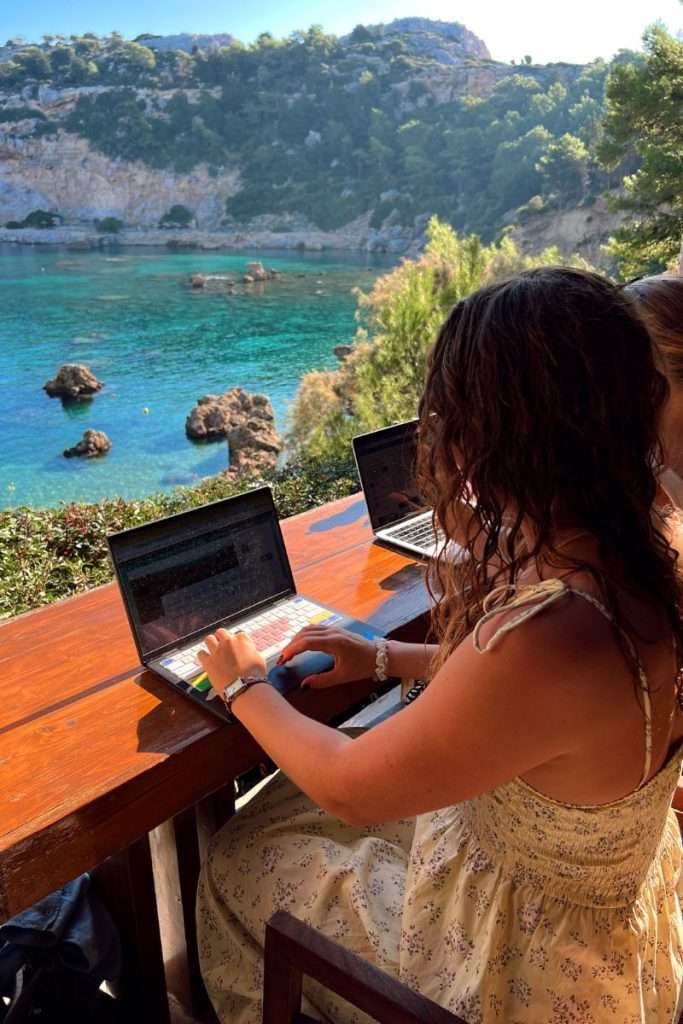
When it comes to earning while abroad, the most obvious choice is through a remote job. That is easier said than done, and 3.5 unemployed years later, I can tell you that that is NOT the only way.
My favorite way to make full-time travel work, especially if you’re getting started young, is through working holidays. They are one of the easiest and most realistic entry points to long-term travel because you can explore a new country while legally working and living abroad.
And yes, I will absolutely continue aggressively recommending New Zealand’s Working Holiday Program to everyone forever. But for most passport holders, forever stops when they turn 30, so keep this in mind.
Another great way to earn while abroad is by getting a TEFL certification, which lets you teach English abroad. Just to avoid confusion, they generally prefer you don’t know the host country’s language so don’t worry about that part.
There are some great programs available, and I have more info about that here. Teaching English abroad is a really cool way to earn money because you can work in-person, remotely, part or full-time… and let’s just say it’s a skill that travels well.
The last point I’ll make on earning abroad is doing it through “content creation” like what I do. Totally a possible avenue, but social media tends to glamorize it.
This career choice requires immense discipline, and a ridiculous amount of upfront work to see even a small profit. If you choose this direction, you have to be prepared to spend 10x more on the “work” element than the travel one.
Earning while abroad is an endless conversation, but I hope this helps you get started.
Let’s lower your travel costs first
A major mistake that people make when traveling is assuming that flights will be the biggest expense.
They’re usually not.
Accommodation is generally a much larger expense, especially long-term because you can’t live in hostels forever.
Luckily, this is the first solution I learned to make travel more affordable, and I’ll share them with you!
Pet sitting
This is personally the method I’ve used the most.
Petsitting was the number one way I kept accommodation costs on average below $300/month in the first two years of travel.
If you like cats or dogs, then you need to try this out for your travel plans. I’ve stayed at some insanely cool places in locations all around the world.
That being said, it can be a bit inconsistent and competitive depending on where you’re searching. It can also be tough to get started, so I wrote up a guide to getting started petsitting which helps you get your foot in the door and start saving.
Volunteering
Volunteering has traditionally been one of the easiest ways to travel the world, especially since most include free accommodation and meals.
Enjoying this post?
Join Liz Long and Prosper for bi-monthly travel tips, destination guides, freebies, and my free 25-page guide to saving money on travel.
This avenue is perfect if you want slower travel, community, or cultural exchange experiences. There are tons of programs, but some of the most popular are hostel work, farming, and language exchange. If you haven’t heard of Worldpackers, that’s a great platform for looking into different jobs available worldwide.
If you want to meet people fast when you start traveling, this is a great way to do that!
Travel Insurance
After I turned 26, I lost my insurance in America, and the cost to get new insurance was hundreds of dollars. A convenient way I avoid that cost while I travel is through travel medical insurance.
My personal favorite is SafetyWing travel medical insurance because there is no deductible, and I pay a fraction of the price I would pay back home. Plus you can sign up for full coverage, which means you can do things like annual appointments and dentists… and there is still no deductible.
Seasonal jobs
You can get seasonal jobs anywhere in the world, but if you don’t want to go the work holiday route, then this is something you can do in your home country.
The main reason I recommend them is because most provide housing, or offer a major discount, and many programs pay quite well. From ski resorts to summer camps to tourism jobs and hospitality work, there are a ton of opportunities to do seasonal work.
My personal recommendation is to choose somewhere tourist-heavy, and work the job in tandem with a tip-based job. Especially if you are US-based, there is some serious potential for high income that you can use as a runway for travel.
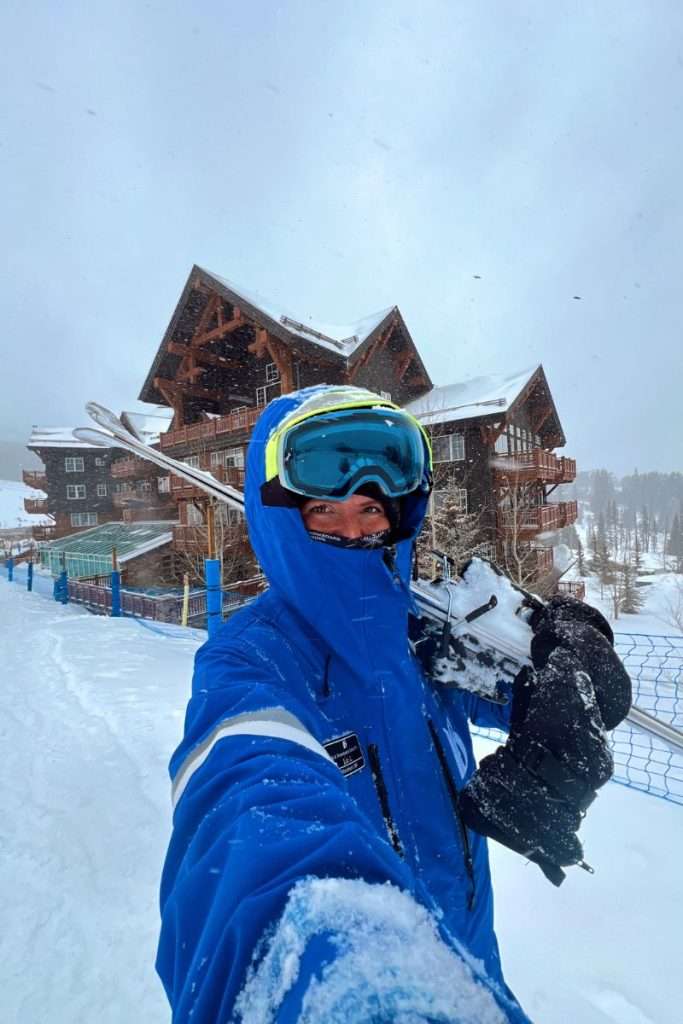
Working for Vail Resorts did the trick for me, and I got to live in Breckenridge for a full season!
Choose cheaper countries
The most practical way to lower your costs? Stop glamorizing the big expensive cities, and start getting more creative.
Choose destinations where your money stretches further.
I spend a lot of time in Bulgaria and Albania because the cost of living can be dramatically lower. You can even find super affordable spots in Greece, Spain, and Italy if you look outside of the big cities.
And Southeast Asia? That region practically defines budget travel… although I don’t want you to assume that you can only do it there.
In many of these places, you can find accommodation for $500 a month or less, especially if you stay longer term. I tend to keep my monthly housing costs around $350, not including petsitting.
You will also start to learn little tricks, like how you should book accommodation in Asia on Agoda for the best rate. Or how you can book a rental car in Europe for way cheaper if you use DiscoverCars and you do a long-term booking.
If you are able to lower your baseline expenses, like housing and food, everything else becomes way easier. Suddenly bare-minimum remote work income stretches further. Savings last longer. Stress decreases.
And ironically, some of these places end up offering a much higher quality of life than the expensive cities people are struggling to survive in back home.
Now let’s talk lifestyle
Traveling full-time isn’t just something you do, it’s an experience you live. You need to change your mindset on travel away from vacations to something more sustainable.
The best way to do this is through meeting other travelers and remote workers. Building a strong community will completely change your perception of what’s possible.
Go to digital nomad hubs, attend events, stay in co-livings and try out co-workings.
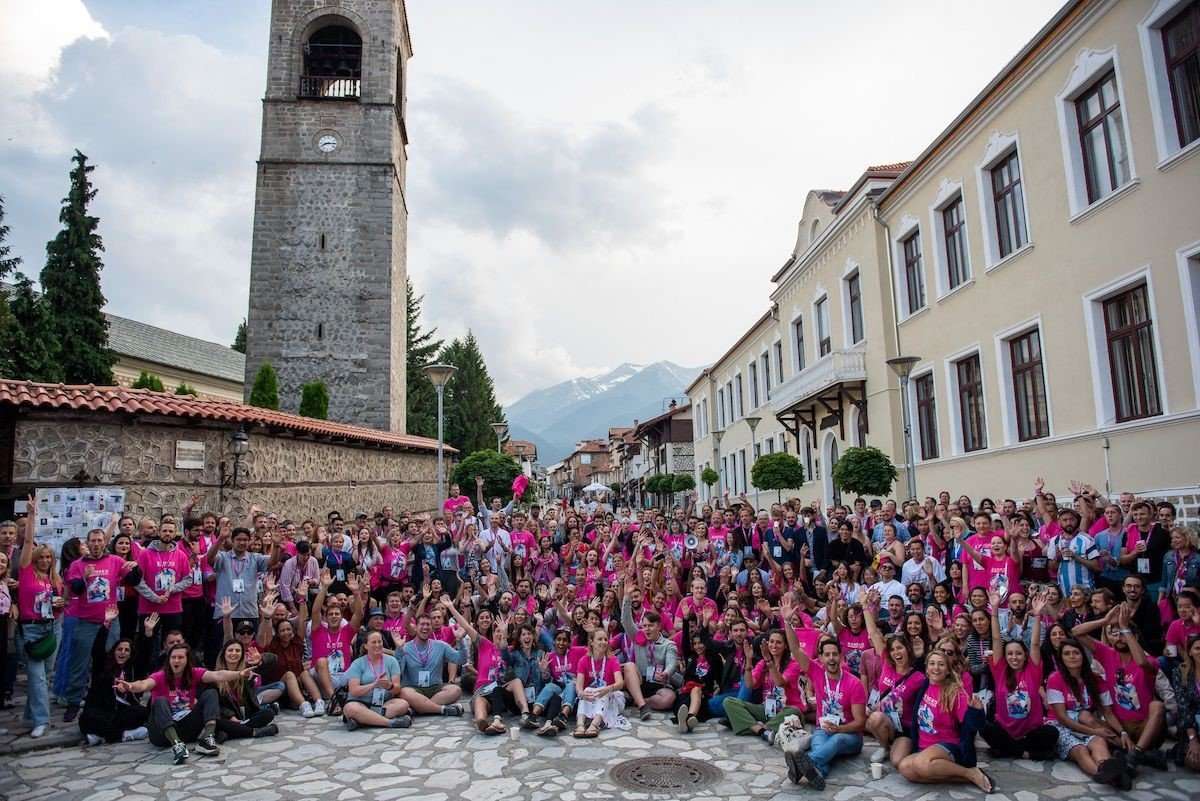
I recommend to everyone I meet interested in this to check out the Bansko Nomad Fest in Bulgaria. It’s a great way to learn more about nomadding, how to do it, and to deepen your experience of it.
Being around people who have already figured out how to build these unconventional lives makes it feel even more possible.
Once you see someone else doing it, your brain stops categorizing it as impossible.
And I can’t pretend like this lifestyle isn’t terrifying to start, because it kind of is, but waiting until you’re not scared will keep you from it forever. Do it scared, because that’s when you prove to yourself that you can navigate something unknown like this.
Every step of your journey into full-time travel will build more and more confidence in yourself and what you can do. Whether you plan to try it out alone or with company, proving to yourself that you are capable is the first step in making this your reality.
Let travel change your life, it will always be worth the risk.
Final thoughts
If there’s one thing this lifestyle has taught me, it’s that anyone can do this. All the barriers holding you back are just mindset changes you need to overcome.
You can become all the proof you need that this lifestyle is possible. And if you’re anything like me… doing this will turn into building a life you love.
If you have any questions, feel free to DM me at @LizsGreatPerhaps on Instagram.
I use cookies to improve your experience and understand how people use the site. By clicking "Accept", you agree to this. You can learn more in my Cookie Policy.