

The first one-way ticket I bought feels like a lifetime ago, yet the memory remains vivid. It wasn’t just a piece of paper; it was a declaration of independence, a middle finger to the traditional 9-5, and a passport stamped with the official seal of the digital nomad life. Now, I’m a planner by nature, but when it came to travel, I embraced a calculated looseness, always with a safety net tucked away, of course.

That first symbolic one-way ticket was the spark that ignited a journey of self-discovery fueled by missed connections (flights, not people), unexpected serendipity, and a constant push to live in the present.
But here’s the deal, fellow nomads: that exhilarating one-way ticket can throw a major wrench into your travel insurance plans if you aren’t aware of some of the stipulations that many have.
The Shenanigans of Globe-Trotting
Let me paint a picture: a few years back, I embarked on my nomad adventure, one-way ticket glowing on my screen. I knew that I’d be jumping from country to country, and probably wouldn’t be getting a return ticket anytime soon.
I did need some stability, so at the very minimum I needed to be able to trust that my health and safety were covered, especially with my limited income, if I ran into a problem, it could very easily send me packing home with an empty bank account, defeated.
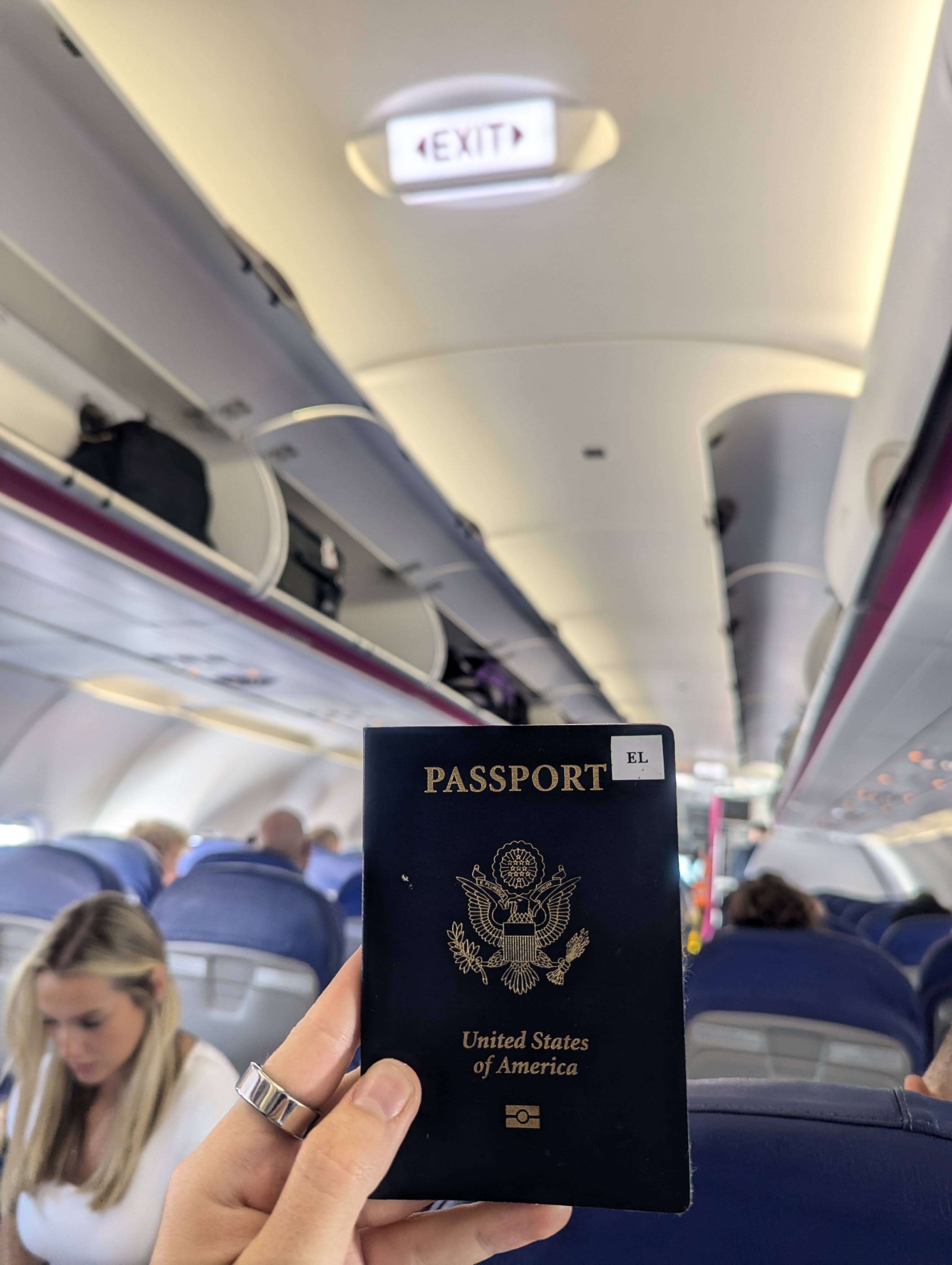
Imagine my surprise when I discovered the “safety net” of traditional travel insurance had gaping holes, especially where one-way tickets were concerned. It seemed most policies viewed that little piece of paper with suspicion, demanding a roundtrip or bust mentality.
“Couldn’t you have just booked a fake return flight?” you might ask. Sure, I played that travel insurance game for a while. I’d pay extra for an Onwards ticket to count for return or try to guess some day I might want to travel to some random destination outside the Schengen zone, just to appease the insurance gods and secure coverage.
While those options could be helpful in a pinch (especially when I was turned away at the desk last year for my one-way ticket), it felt like a ridiculous charade, a waste of money that could have been better spent on exploring hidden alleys and savoring street food.
The Nomad Struggle is Real

The real problem with most travel insurance for nomads is that they’re designed for the “typical” vacationer: the two-week beach bumming or European sightseeing kind of trip. It doesn’t cater to the ever-evolving itinerary of a digital nomad. We don’t have fixed destinations or set return dates.
We crave the freedom to chase sunsets and inspiration wherever they beckon. This flexibility comes at a price… traditional insurance companies often see our one-way tickets and unpredictable schedules as a red flag, a risk they’re unwilling to take.
This lack of nomad-friendly options can be incredibly frustrating. Travel is an integral part of our lives, and with it comes inherent risks. We need medical coverage, but we also need flexibility. It’s a constant balancing act, trying to find a system that works for our unique way of living.
The Rise of the Nomad Niche
But fear not, fellow wanderers! The world is slowly waking up to the booming nomad population. More and more companies are recognizing that “normal” doesn’t always apply to us. Think co-working spaces with nomad memberships, language learning apps designed for remote work, and even banks offering borderless accounts.
There’s still a long way to go, though. Airlines often charge exorbitant fees for one-way tickets compared to roundtrip flights. Accommodation providers sometimes have minimum stay requirements, especially during peak seasons. And of course, there’s the ever-present struggle with traditional travel insurance not recognizing our one-way adventures.
Nomad Travel Insurance: A Breath of Fresh Air
However, the travel industry is finally starting to acknowledge the digital nomad revolution. A recent study showed a staggering 131% increase in American digital nomads in the past four years alone, and that’s just the tip of the iceberg. This surge is forcing a shift in how travel services cater to our specific needs.